
Laminectomies in Los Angeles
Orthopedic Spine Surgeon — Long Beach & Torrance, CA
Medically reviewed by Brandon A. Ortega, MD · Last updated July 30, 2026
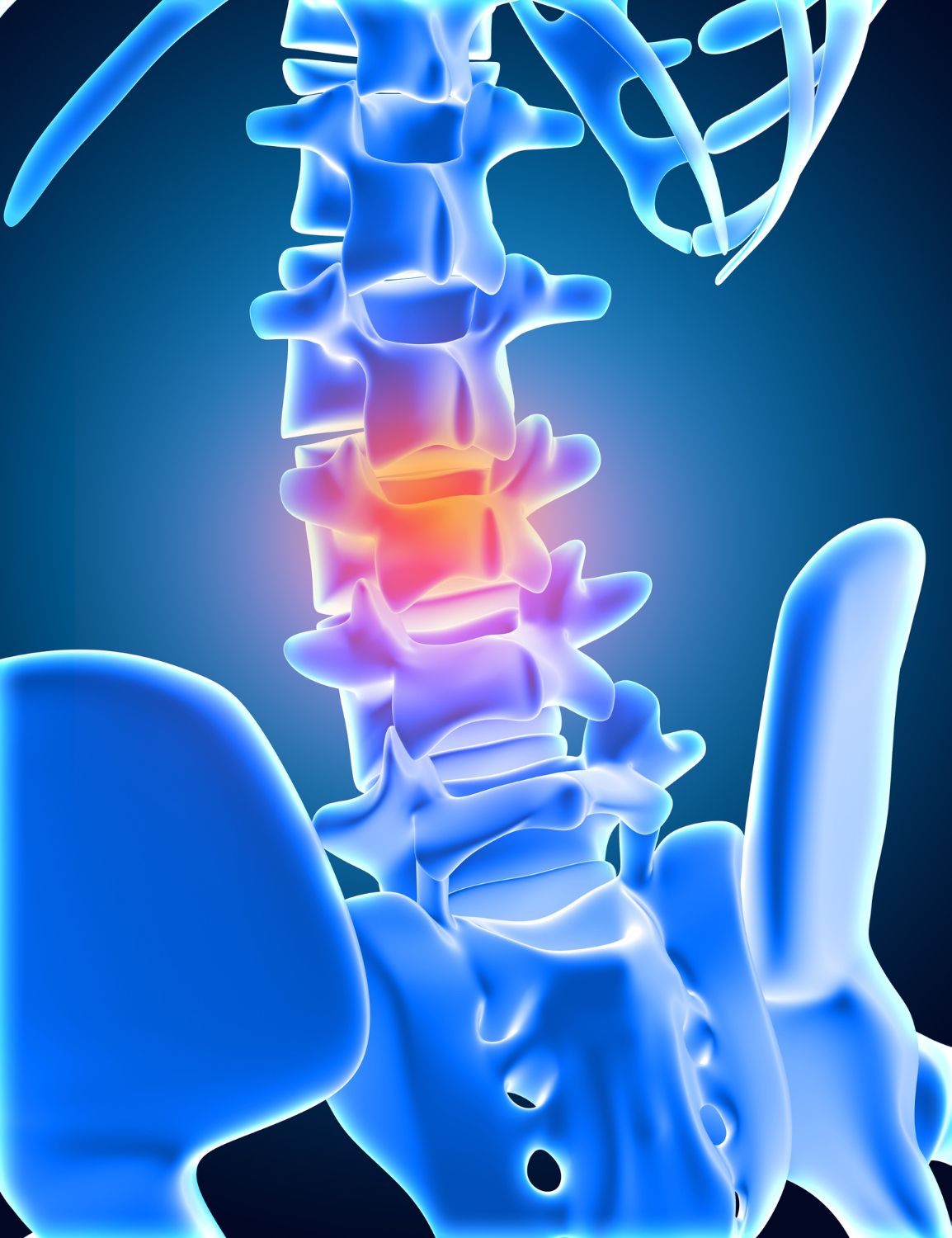
A laminectomy is a spinal decompression procedure used to create more room for the spinal cord or nerves. By removing part or all of the lamina—the bony structure covering the back of the spinal canal—the procedure may relieve pain, numbness, weakness, and mobility problems caused by nerve compression.
What Is a Laminectomy?
A laminectomy removes part or all of the lamina from one or more vertebrae. The lamina forms the back portion of the spinal canal and helps protect the spinal cord and nerve roots.
Removing the affected lamina enlarges the spinal canal and reduces pressure on compressed neurological structures. The surgeon may also remove bone spurs, thickened ligament, damaged disc material, or other tissue contributing to the narrowing.
When only a small portion of the lamina is removed, the procedure may be called a laminotomy. A laminectomy may be performed alone or combined with a discectomy, foraminotomy, or spinal fusion. Fusion may be recommended when decompression could affect spinal stability or when instability is already present.
Types of Laminectomies
Laminectomy can be performed in the cervical, thoracic, or lumbar spine. The symptoms, surgical approach, and need for stabilization depend on the location and cause of the compression.
Cervical Laminectomy
A cervical laminectomy is performed in the neck to relieve pressure on the spinal cord or cervical nerve roots. It may be used to treat multilevel cervical spinal stenosis, bone spurs, thickened ligaments, or other conditions causing cervical myelopathy or radiculopathy.
Symptoms of cervical compression may include:
- Neck or arm pain
- Numbness or weakness in the arms or hands
- Loss of hand coordination or dexterity
- Balance problems
- An unsteady walking pattern
- Leg stiffness or weakness
The procedure is generally performed through an incision at the back of the neck. Depending on spinal alignment, the number of levels treated, and the amount of bone removed, cervical laminectomy may be combined with fusion to maintain stability.
Thoracic Laminectomy
A thoracic laminectomy is performed in the middle portion of the spine. Thoracic decompression is less common than cervical or lumbar laminectomy but may be necessary when the spinal cord is compressed within the chest-level spine.
Potential causes include thoracic spinal stenosis, calcified or thickened ligaments, bone spurs, selected disc herniations, tumors, infections, or traumatic injuries.
Thoracic spinal cord compression may cause:
- Mid-back or rib-area pain
- Numbness around the torso
- Leg weakness or stiffness
- Difficulty with balance or walking
- Changes in coordination
- Bladder or bowel dysfunction in severe cases
Because the thoracic spinal canal contains the spinal cord, surgical planning requires careful review of the location and severity of the compression. Stabilization may be added when decompression could weaken the treated spinal segment.
Lumbar Laminectomy
A lumbar laminectomy is performed in the lower back and is commonly used to treat lumbar spinal stenosis. Age-related changes can cause bone spurs, enlarged joints, and thickened ligaments to narrow the spinal canal and compress the lumbar nerve roots.
Symptoms may include:
- Lower-back discomfort
- Pain that travels into the buttocks or legs
- Numbness, tingling, or weakness in the legs
- Heaviness or cramping while standing or walking
- Reduced walking distance
- Relief when sitting or leaning forward
The surgeon removes enough lamina and other compressive tissue to create additional room for the affected nerves. Lumbar laminectomy may be performed with or without fusion, depending on whether instability, vertebral slippage, or deformity is present.
Conditions Treated
Laminectomy may be used to treat conditions that narrow the spinal canal or place pressure on the spinal cord and nerve roots, including:
- Cervical, thoracic, or lumbar spinal stenosis
- Cervical or thoracic myelopathy
- Lumbar radiculopathy or sciatica
- Bone spurs
- Thickened spinal ligaments
- Degenerative changes of the spine
- Selected herniated discs
- Spondylolisthesis with nerve compression
- Spinal tumors or abscesses in selected cases
- Spinal fractures or injuries causing compression
Laminectomy treats the compression caused by these conditions. It does not reverse arthritis or other degenerative changes that produced the narrowing, and it may not eliminate pain arising primarily from the spinal joints, muscles, or discs.
Surgery Candidates and General Patient Criteria
Many patients with spinal stenosis begin with nonsurgical care. This may include medication, activity modification, physical therapy, or spinal injections.
Laminectomy may be considered when:
- Nonsurgical treatment has not provided adequate relief
- Pain or weakness significantly limits daily activities
- Walking or standing has become difficult
- Imaging confirms spinal cord or nerve compression that corresponds with the symptoms
- Numbness or weakness is progressing
- Balance, coordination, or hand function is deteriorating
- The patient is medically able to undergo surgery
- Severe neurological compression requires more urgent treatment
An MRI, CT scan, X-ray, or myelogram may be used to evaluate the spinal canal, nerves, alignment, and bony anatomy. The surgeon will also consider previous treatments, overall health, bone quality, smoking or nicotine use, and whether decompression alone could cause instability.
New loss of bladder or bowel control, numbness around the groin, rapidly worsening weakness, or sudden difficulty walking requires immediate medical evaluation.
What to Expect
Before surgery, patients receive instructions concerning medication, fasting, transportation, and preparation for anesthesia. Certain medications or supplements may need to be adjusted, but they should not be stopped without guidance from the treating clinician.
A laminectomy is commonly performed under general anesthesia. During the operation, the surgeon typically:
- Makes an incision over the affected area of the spine.
- Moves or separates the surrounding muscles to reach the vertebrae.
- Confirms the correct spinal level.
- Removes part or all of the affected lamina.
- Removes bone spurs, thickened ligament, disc fragments, or other compressive tissue when necessary.
- Enlarges the nerve openings with a foraminotomy when indicated.
- Performs spinal fusion if additional stability is required.
- Closes the incision and applies a dressing.
The operation may be performed using an open or minimally invasive approach. The incision and length of surgery depend on the number of levels involved and whether additional procedures are performed.
Recovery and Rehabilitation
Patients are monitored after surgery as the anesthesia wears off. Many begin standing or walking later that day with assistance. Some patients return home the same day, while others remain in the hospital for one or more nights.
Recovery instructions may include:
- Taking short, regular walks
- Keeping the incision clean and dry
- Using pain medication as directed
- Temporarily avoiding heavy lifting
- Limiting repetitive bending and twisting
- Avoiding driving until medically cleared
- Attending postoperative appointments
- Beginning physical therapy when recommended
Physical therapy may help improve mobility, posture, strength, balance, and safe movement mechanics. Return-to-work timing depends on the extent of surgery, whether fusion was performed, and the physical requirements of the patient’s occupation.
Recovery after decompression alone is generally less extensive than recovery following laminectomy with fusion. Nerve-related symptoms may continue improving over weeks or months because compressed nerves often recover gradually.
Potential Complications and Success Indicators
Potential complications of laminectomy include:
- Infection
- Bleeding
- Blood clots
- Reaction to anesthesia
- Dural tear or spinal-fluid leakage
- Nerve-root or spinal cord injury
- New or worsening numbness or weakness
- Persistent pain or incomplete symptom relief
- Recurrent spinal narrowing
- Spinal instability
- The need for spinal fusion or another procedure
- Hardware or bone-healing problems when fusion is performed
A successful outcome may include reduced radiating arm or leg pain, improved walking tolerance, better balance, increased strength, and greater ability to perform daily activities.
Laminectomy is generally more reliable for relieving symptoms directly caused by spinal cord or nerve compression than for treating isolated neck or back pain. The procedure creates more space but does not cure the underlying arthritis or prevent all future degeneration.
Patients should contact their surgical team for fever, increasing redness or wound drainage, uncontrolled pain, worsening weakness or numbness, difficulty urinating, or loss of bladder or bowel control.
Laminectomies in Los Angeles Q&A
Is a laminectomy the same as a laminotomy?
No. A laminotomy removes a limited portion of the lamina to create space around a nerve. A laminectomy removes a larger portion or the entire lamina at the treated level. The terminology may vary depending on the amount of bone removed and the surgical technique used.
Does every laminectomy require spinal fusion?
No. Fusion is generally added when the spine is already unstable or when the amount of decompression could compromise stability. Factors such as spondylolisthesis, deformity, spinal alignment, and the number of levels treated can influence this decision.
Will a laminectomy eliminate back or neck pain?
A laminectomy is primarily intended to relieve pressure on the spinal cord or nerves. It may improve radiating pain, weakness, numbness, and walking limitations, but it may not eliminate pain caused by arthritis, damaged discs, muscles, or other structures.
Why Choose BAO Spine?
Fellowship-trained expertise
Advanced, subspecialty training in complex and minimally invasive spine surgery.
Conservative care first
Most patients improve without surgery — treatment begins with the least invasive options.
Motion-preserving techniques
Cervical and lumbar disc replacement that protects your natural range of motion.
Two convenient locations
Personalized spine care in both Long Beach and Torrance, California.

About Dr. Ortega
Brandon A. Ortega, MD, is a fellowship-trained orthopedic spine surgeon providing comprehensive, personalized spinal care to adults in Long Beach and Torrance, California. His dedication to helping each patient regain mobility, reduce pain, and improve their quality of life has earned the respect of everyone in the community struggling with neck and back pain.
Consultation
Get expert care with laminectomies in Los Angeles
Request an appointment and Brandon A. Ortega, MD's team will reach out to schedule your visit — fellowship-trained, personalized spine care.
Prefer to call? Contact us.